Fergus Fowle: Engineering to Commercial
A Graduate’s First Year

A Summer Student Thrown Into the Deep End
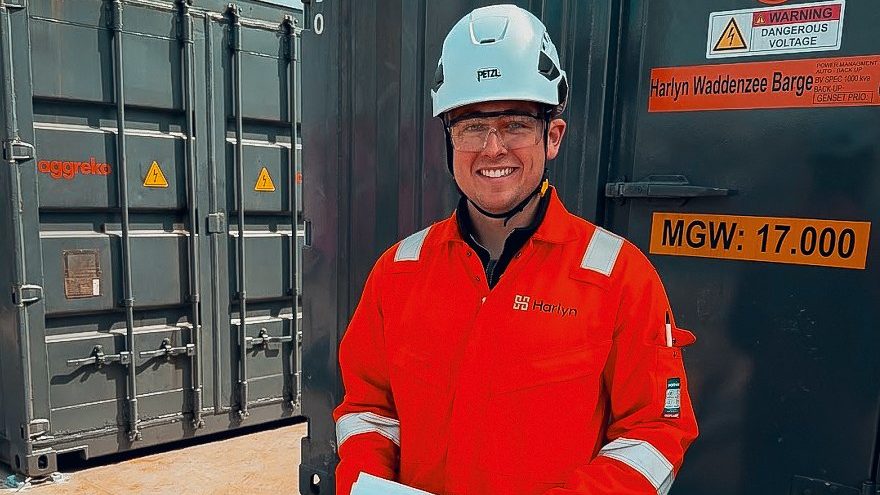
For most students, a summer placement is about observation. For Fergus Fowle, it was about responsibility.
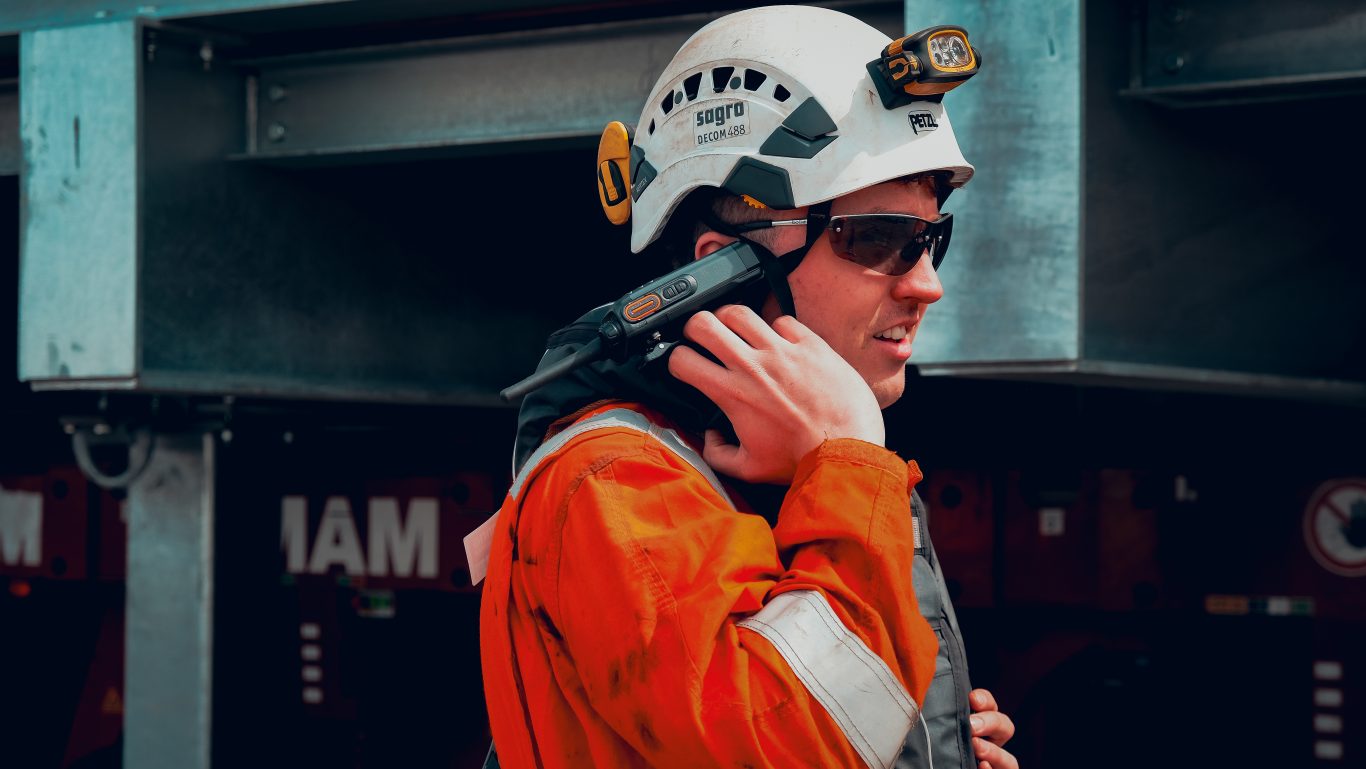
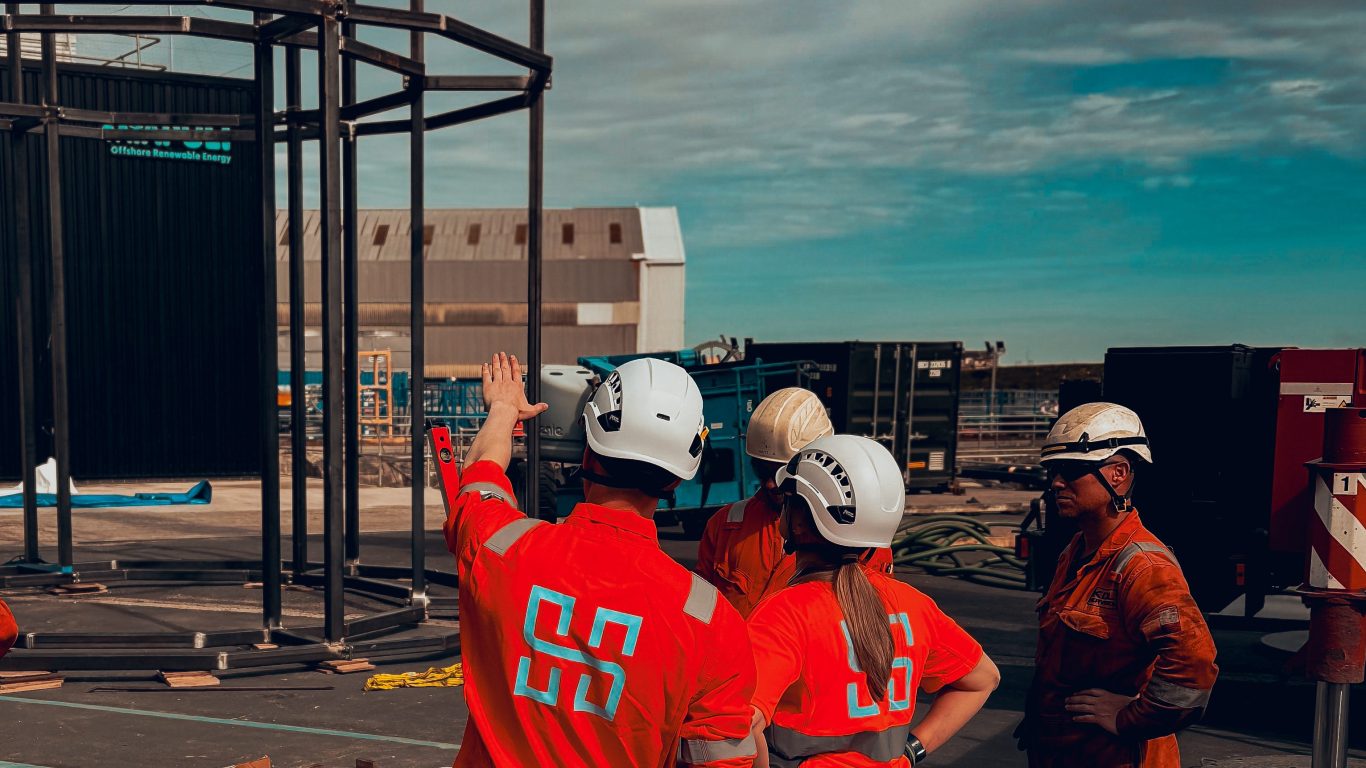
On his first week on site, he found himself stood beside heavy-lift equipment, not just watching but actively helping prepare lifts. He was sketching out lift plans on AutoCAD, cross-checking dimensions against rigging gear, and sitting in on contractor meetings. It wasn’t simulation or classroom theory—it was live, it was complex, and it mattered.
That intensity defined his introduction. By the end of the summer, Fergus wasn’t just “the student”—he was someone colleagues trusted to contribute. When he returned to university, he carried with him not only a clearer sense of where he wanted his career to go, but also a promise to return.
From Graduate Start to Cable Load Outs
When Fergus came back as a graduate engineer, he already knew the rhythm of the office and the demands of the work. The difference this time was ownership.
His first full projects revolved around cable load outs and shipments. These operations demand precision planning: kilometres of heavy subsea cable have to be spooled, transported, and installed without delays or damage. Fergus was responsible for drafting the engineering behind these operations—load paths, spool tensions, and vessel coordination.
One of his early milestones came when he was asked to finalise a lift plan for a complex shipment. It was the sort of task that normally goes to someone with years more experience, but Fergus had shown he could handle the detail. He remembers double- and triple-checking the calculations, knowing that dozens of people on site would be working to the plan he signed off. When the operation went smoothly, it became a marker of trust—not just in his technical ability, but in his judgement.
Discovering the Patience of Mooring Analysis
Alongside logistics, Fergus was pulled into the world of mooring analysis. At first, it felt a world away from the physicality of load outs. Instead of cranes and cables, it was hours spent modelling vessels against wind, waves, and current.
He recalls one project where the mooring model kept producing unexpected results. Rather than rushing, he dug deeper into the inputs, worked through environmental assumptions, and cross-checked the hydrodynamic data. It was a test of patience as much as skill. The breakthrough came when he identified a small error in the way environmental loading had been scaled—a detail easy to miss, but critical to get right.
That lesson stayed with him: in offshore engineering, the big picture only holds if the smallest inputs are sound.
Learning to Communicate, Not Just Calculate
Technical work was only half the challenge. The other half was communication.
Fergus moved quickly from listening in on client meetings as a student to presenting his own work. In one case, a client pushed back hard on a proposed method for handling cargo. Fergus had the data to support his plan, but he realised that presenting numbers wasn’t enough. He needed to walk the client through the logic step by step, linking the calculations to the operational risks they cared about.
By the end of the discussion, the client agreed with his approach—not because he had “won” the argument, but because he had earned trust by explaining clearly and listening carefully. For him, it was a turning point: engineering wasn’t just about the right answer, it was about bringing people along with it.
A Rotation Into Commercial
Now, a year into his graduate scheme, Fergus is exploring the other side of the business: commercial management and tendering.
Instead of detailed mooring lines and lift plans, his days are filled with engineering concepts, bid preparation, and proposal reviews. He is learning how projects are shaped long before the engineering begins—how risk is costed, how margins are protected, and how clients compare value across competing offers.
One recent task involved working on the pricing for a cable shipment project. His engineering background gave him an advantage. Where others saw line items on a spreadsheet, he saw vessel schedules, weather windows, and equipment mobilisation challenges. He could highlight where the plan could be streamlined, and where hidden costs might appear. It was a reminder that his technical knowledge didn’t disappear in commercial work—it gave him an edge.
Lessons From the First Year
Looking back, Fergus’ first year has been less about a single achievement and more about progression through layers of responsibility:
• Thrown in as a student, learning by doing rather than watching.
• Taking charge of load outs and shipments, where every calculation had consequences.
• Grinding through mooring analysis, where detail and patience paid off.
• Earning his voice with clients, moving from silent observer to confident contributor.
• Transitioning into commercial, where he now sees how the engineering he knows so well is framed and priced for the market.
Each step has added weight to the next, shaping him into a professional who can navigate both technical and business demands.
Looking Forward
Fergus’ journey illustrates the essence of the graduate scheme: structured rotations that create not just engineers, but well-rounded professionals. With more rotations ahead, he will return to technical work carrying new commercial perspective, better able to connect engineering detail with business outcomes.
For Fergus, the story is still unfolding. But one thing is already clear: his first year has given him the foundation to grow into someone who doesn’t just deliver engineering plans, but who understands how to shape, sell, and sustain projects from concept to completion.
Conclusion
From lifting cargo on site to pricing projects in the office, Fergus Fowle’s story shows how quickly responsibility can grow when opportunity meets capability. His first year has been a blend of technical rigour, operational exposure, and commercial insight.
And while he is still at the start of his career, the way he has embraced each challenge suggests a clear trajectory: towards becoming a professional who can bridge engineering precision with commercial strategy, and one day lead the kind of projects he has so far helped to deliver.